|
|
Toys Safer This Holiday Season Due to Stronger Safety Rules |
| By U.S. Consumer Product Safety Commission | |
| November 20, 2011 | |
| FOR IMMEDIATE RELEASE
Recalls and lead violations are down; 180,000 child injuries per year is too high
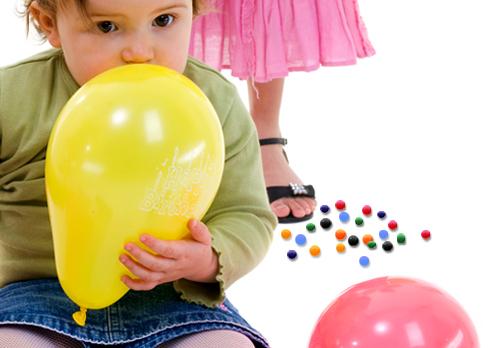
New toy safeguards include: establishing the lowest lead content and lead paint limits in the world; setting a stringent limit on the use of certain phthalates; converting the voluntary toy standards into mandatory standards; requiring third party testing and certification of toys designed or intended primarily for children 12 and younger; closing in on new limits for cadmium in toys; and working with the U.S. Department of Homeland Security to track shipments in transit from other countries, thereby increasing seizure of dangerous imported toys. These safeguards, along with safety-conscious steps taken by many toy makers and sellers, have contributed to a continued decline in toy recalls since 2008. There were 34 toy recalls in fiscal year 2011. This is down from 46 toy recalls in fiscal year 2010, 50 recalls in 2009, and 172 recalls in 2008. In 2011, toy recalls related to lead declined to 4, down from 19 in 2008. "Strong toy standards support the production of safer toys in the marketplace," said Chairman Inez Tenenbaum. "Parents and toy shoppers also always need to be vigilant by choosing age appropriate toys and keeping small parts, balls, and balloons out of the hands of young children." Toy-related deaths to children younger than 15 increased to 17 fatalities reported in 2010, up from 15 reported in 2009. Nearly half of these toy-related fatalities were attributed to choking on balloons, small balls, and rubber balls. A new report (pdf) released by CPSC today also notes that about 181,500 children younger than 15 years of age were treated in U.S. hospital emergency departments due to toy-related injuries in 2010. Nonmotorized scooters continued to be the category of toys associated with the most injuries. Frequently these injuries involved lacerations, contusions, and abrasions to the child's face and head. Importantly many of the incidents were associated with, but not necessarily caused by, a toy. Here are some safety steps that consumers can take while shopping this holiday season: Balloons - Children can choke or suffocate on deflated or broken balloons. Keep deflated balloons away from children younger than 8 years old. Discard broken balloons at once.
Immediately discard plastic wrappings or other packaging on toys before they become dangerous play things.
The U.S. Consumer Product Safety Commission (CPSC) is charged with protecting the public from unreasonable risks of injury or death associated with the use of the thousands of consumer products under the agency's jurisdiction. Deaths, injuries, and property damage from consumer product incidents cost the nation more than $900 billion annually. CPSC is committed to protecting consumers and families from products that pose a fire, electrical, chemical, or mechanical hazard. CPSC's work to ensure the safety of consumer products - such as toys, cribs, power tools, cigarette lighters and household chemicals - contributed to a decline in the rate of deaths and injuries associated with consumer products over the past 30 years. To report a dangerous product or a product-related injury, go online to: www.saferproducts.gov, call CPSC's Hotline at (800) 638-2772 or teletypewriter at (800) 638-8270 for the hearing impaired. Consumers can obtain this news release and product safety information at www.cpsc.gov. To join a free e-mail subscription list, please go to https://www.cpsc.gov/cpsclist.aspx. |
|
|
|